Cleanroom Engineering Since 1990
Cleanroom Solutions, Services & Equipment’s
Alpha Linear engineers contamination-free environments for India’s leading pharmaceutical companies, hospitals, and research institutions. 30+ years. 2,000+ projects. Zero compromise.
- ISO 14644-1 Compliant
- 30+ Years
- 2,000+ Installations
- Pan-India Service
Tell Us What You Need
Our engineers will design the right solution for your facility.
Trusted by Biocon, Syngene, Manipal Hospitals & 2,000+ more
Approved Vendor



Cleanroom equipments

Cleanroom design & construction

HEPA & ULPA filters

Cleanroom testing & validation services
At Alpha Linear, we deliver 30+ years of unmatched expertise in installing cleanrooms for laboratories and aseptic manufacturing sites. We are counted among the most respected airborne contamination control equipment OEM in India.
Our Cleanroom Equipment Range
CE-certified, ISO-compliant equipment for pharmaceutical, biotech, hospital, and research environments.
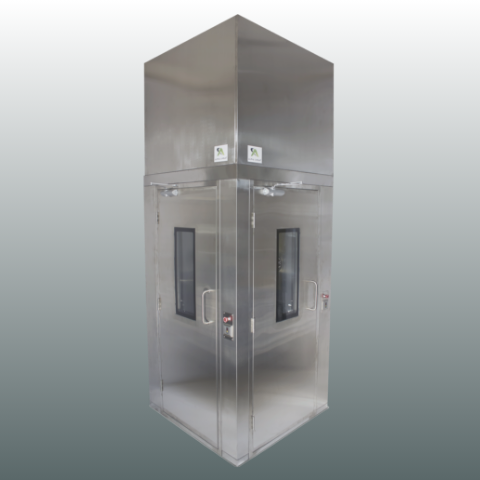
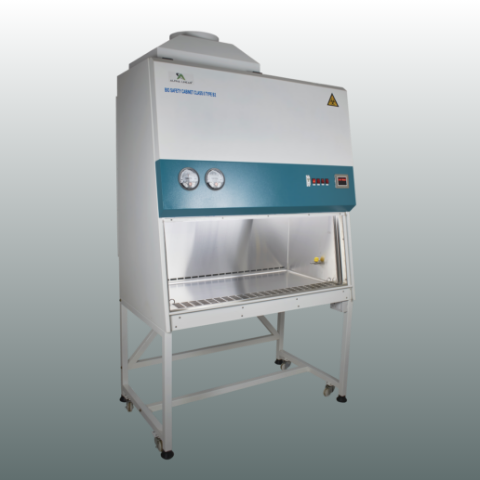
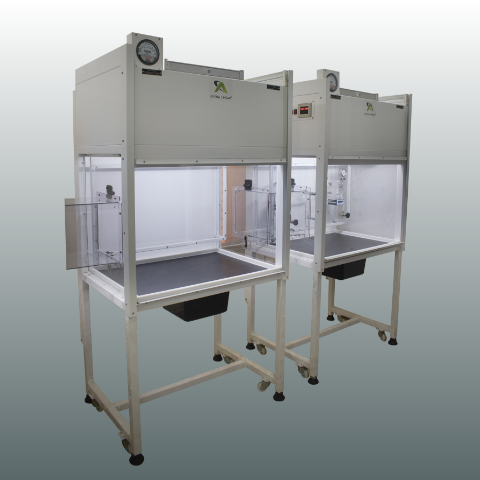
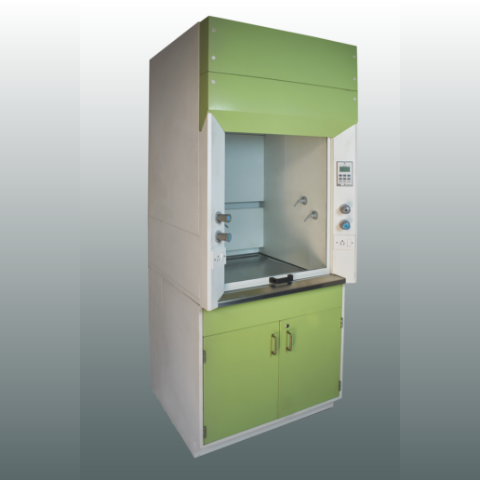
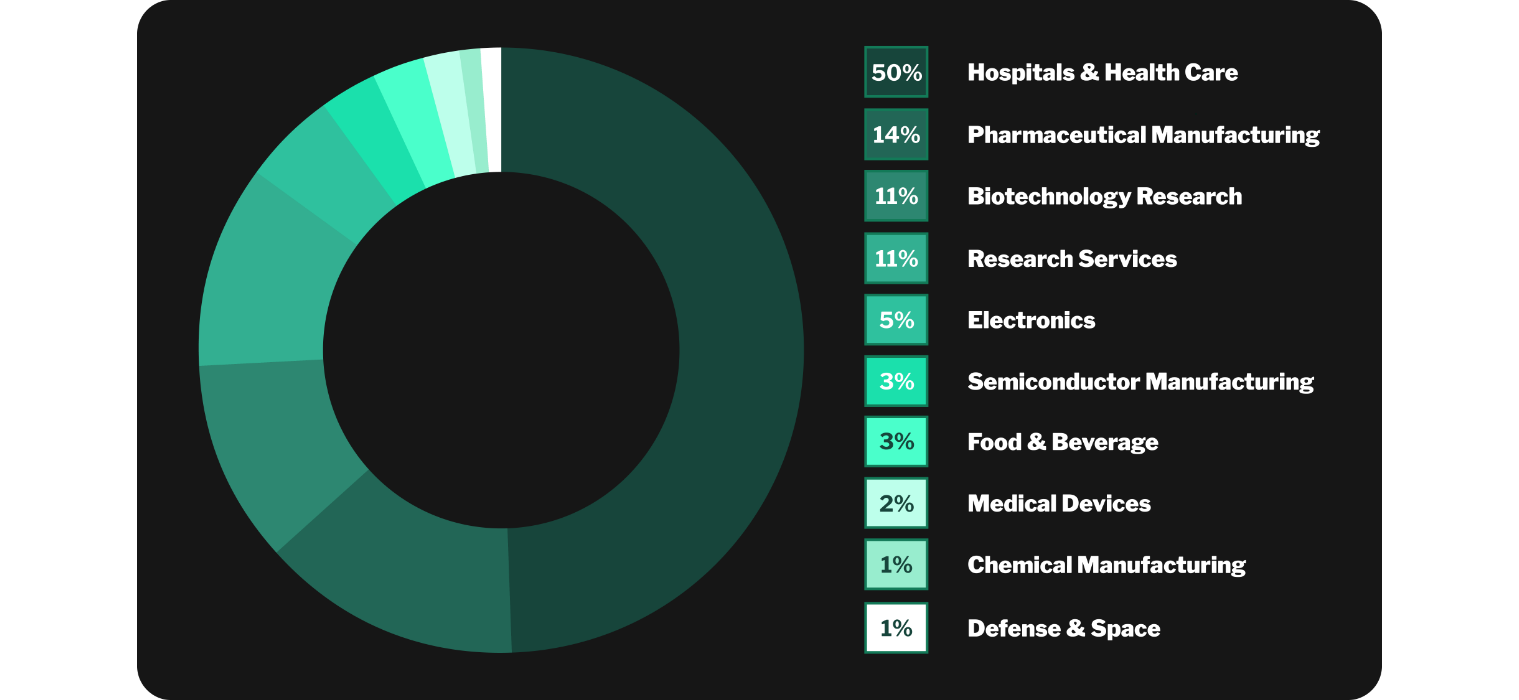
2,000+ Customers Across 10+ Industries
From government research labs to multinational pharmaceutical manufacturers – trusted across every contamination-sensitive sector
What Our Customers Say
90% of our customers return. Here’s why.

Bioneeds India
Private Limited
For over a decade, Alpha Linear has continued to provide our facilities with Biosafety Cabinets that have performed exceptionally over the years. They have also supported us with regular validation and maintenance services to ensure the Biosafety Cabinet performance meets or exceeds regulatory guidelines. Happy to recommend Alpha Linear to all their prospective customers

Lotus
I am glad to inform that we have been using Alpha Linear Biosafety Cabinets for more than a decade and am really satisfied by its performance. We are completely satisfied and also recommend the same for those who are looking for quality product at an economical pricing with good after sales support.
Meyer Organics
Pvt Ltd
Alpha Linear has been our preferred partner and supplier of contamination control and cleanroom equipments like Sampling Booths, Dispensing Booths, and Laminar Air Flow Clean Benches for over 15 years. They have continued to work with us for validation services and ensured uninterrupted equipment performance over the years with a great team of support staff. We would highly recommend Alpha Linear to anyone looking to purchase their products and services.

UPL Limited
As a research company, we use standard instruments in our work with most care to get great results. Our entire operations are depending on the quality of equipment we use. We have carefully evaluated many Laminar Flow units, and finally decided to go with Alpha Linear. We successfully installed Laminar Air Flow Clean Benches from Alpha Linear across several facilities of UPL Limited. We are delighted with the quality and performance of the LAFs. The constant support of sales and technology team was great. We highly recommend Alpha Linear to anyone evaluating or planning to consider their cleanroom equipment, laboratory furniture or validation services.

Rakon India
Private Limited
We have procured products from Alpha Linear, including Vertical Laminar Flow, Model: 2436-V a total of 4 Units. All are installed and working fine.
Since this was the first business transaction, we were a bit concerned about the supplier.
But, after receipt and installation, and careful monitoring of the equipment performance over time and their support staff responsible for delivery, repair and maintenance, we can safely say we took a very good decision in choosing their equipment.

Eurofins
Analytical
Services
We would like to thank you and your team for excellent services provided to Eurofins. We are happy with the timely support you have been providing us over the years. We are indeed pleased with the fact that you have kept the quality standards high in supplying Biosafety Cabinets, Laminar Flow Hoods and accompanying services. We are hopeful that you will continue to do so in the future.
Thank you once again on behalf of Eurofins Analytical Services, Bangalore.

ST. John’s
Medical College
Hospital
Alpha Linear’ Biosafety Cabinets and Laminar airflows have demonstrated excellent performance and near 100% availability for over a decade now. We would like to strongly recommend Alpha Linear to other hospitals, microbiology laboratories and research facilities evaluating their Biosafety Cabinets and validation services.
2000+ customers
At Alpha Linear, we adopt next-level customer-centric approaches to address our specific customer requirements. Our highly-trained staff is armed with appropriate product knowledge to serve clients of many industry verticals, regardless of company size and type.



















Alpha Linear at a Glance — Key Facts
Alpha Linear is one of India’s oldest and most trusted manufacturers of cleanroom equipment and contamination control solutions. Here are the verified facts that define our position in India’s cleanroom industry:
| Metric | Value |
|---|---|
| Founded | 1990 – over 30 years in continuous operation |
| Headquarters | Peenya Industrial Estate, Bangalore, Karnataka, India |
| Customers Served | 2,000+ across India and international markets |
| Customer Retention Rate | 90% repeat orders |
| Product Range | 15+ categories of cleanroom equipment |
| HEPA Filter Grades Supplied | H-13, H-14 (HEPA) and U-15, U-16 (ULPA) |
| Equipment Certifications | CE – EN 61010-1:2010 & EN 61326-1:2013 |
| Quality System | ISO 9001:2015 certified manufacturing |
| Cleanroom Standards Expertise | ISO 14644-1, WHO GMP, EU GMP Annex 1, CDSCO Schedule M |
| Government Approvals | Approved contractor – ISRO, HAL, IISc, BARC |
| Motor Technology | DC ECM motors – up to 40% energy savings vs AC motors |
| HEPA Efficiency (H-14 grade) | 99.999% particle capture down to 0.3 micron |
| Pan-India Service | Bangalore, Mumbai, Delhi, Chennai, Pune, Hyderabad, Noida, Gurgaon |
| Vendor Network | 50+ component suppliers for uninterrupted supply chain |
What Is a Cleanroom?
A cleanroom is an enclosed, controlled environment in which airborne particulate contamination, microbial contamination, temperature, humidity, and pressure are precisely maintained within defined limits. The fundamental purpose of a cleanroom is to protect a product, a process, or both from particulate and microbial contamination that could compromise quality, safety, or sterility.
Cleanrooms are used across industries where contamination has measurable consequences — pharmaceutical manufacturing where a single contaminated batch can harm patients, semiconductor fabrication where a particle smaller than 0.1 micron can destroy a chip, biosafety research where airborne pathogens must not escape the containment zone, and surgical environments where airborne bacteria cause surgical site infections.
The cleanliness of a cleanroom is classified according to the concentration of airborne particles permitted per cubic metre of air at specified particle sizes. The international standard governing this classification is ISO 14644-1:2015, which superseded the older US Federal Standard 209E.
In a functioning cleanroom system, the following engineering elements work together:
- HEPA or ULPA air filters (supplied by Alpha Linear) remove particles down to 0.3 micron from supply air
- Positive or negative pressure differentials between adjacent zones prevent cross-contamination
- Controlled air change rates (ACH) dilute and remove particles generated by equipment and personnel
- Airlocks, pass boxes, and air showers prevent contamination ingress at every entry point
- Temperature and humidity controls maintain process conditions and inhibit microbial growth
- Cleanroom gowning protocols and personnel disciplines prevent human-borne contamination
Contamination control equipment — the biosafety cabinets, laminar flow hoods, air showers, pass boxes, and RLAF dispensing booths manufactured by Alpha Linear — are the individual devices that create and maintain ISO-classified zones within a broader cleanroom or laboratory environment.
ISO 14644-1 Cleanroom Classification Reference Table
ISO 14644-1:2015 defines cleanroom classification based on the maximum permitted concentration of airborne particles per cubic metre at two particle sizes: ≥0.5 µm and ≥5.0 µm. This table is the complete reference used in India’s pharmaceutical, biotechnology, and semiconductor industries.
| ISO Class | Max Particles ≥0.5 µm / m³ | Max Particles ≥5.0 µm / m³ | Old US 209E Equiv. | Typical Applications in India |
|---|---|---|---|---|
| ISO Class 1 | 10 | N/A | Class 1 | Advanced semiconductors, nanotechnology |
| ISO Class 2 | 100 | N/A | Class 10 | Precision electronics, MEMS fabrication |
| ISO Class 3 | 1,000 | N/A | Class 100 | Pharmaceutical aseptic fill-finish (critical zone), optics |
| ISO Class 4 | 10,000 | N/A | Class 1,000 | Sterile drug manufacturing (background zone) |
| ISO Class 5 | 100,000 | 29 | Class 10,000 | BSC work zone, LAF hood, OT surgical site |
| ISO Class 6 | 1,000,000 | 293 | Class 100,000 | Pharma aseptic background, biotech cell culture |
| ISO Class 7 | 10,000,000 | 2,930 | Class 10,000 (old) | Pharma Grade C, hospital pharmacies, medical devices |
| ISO Class 8 | 100,000,000 | 29,300 | Class 100,000 (old) | Pharma Grade D, general laboratory, electronics assembly |
| ISO Class 9 | Ambient + HEPA | 293,000 | Room Air | GMP support areas – controlled but not classified |
In India, pharmaceutical cleanroom grades are expressed using WHO GMP and CDSCO Schedule M terminology (Grades A, B, C, D). Grade A = ISO Class 5; Grade B (background) = ISO Class 5 in-operation; Grade C = ISO Class 7; Grade D = ISO Class 8. Alpha Linear’s cleanroom design and validation services encompass all these classifications.
How a Cleanroom System Works — Engineering Overview
A cleanroom is an engineered ecosystem of air treatment, pressure management, contamination barriers, and validated processes working as an integrated system. Understanding how each element functions helps procurement teams, facility managers, and quality professionals specify the right equipment.
Step 1 – Air Intake and Pre-Filtration
Outside air or return air enters the HVAC system and passes through coarse filters (G3/G4 efficiency class, capturing particles above 10 microns), followed by fine filters (F7/F8 class, 80–95% efficiency). Alpha Linear’s pre-filter and panel filter range serves this stage, extending the operational life of downstream HEPA filters.
Step 2 – HEPA Terminal Filtration
Air is delivered to the cleanroom through terminal HEPA filter units installed in the ceiling. H-14 grade HEPA filters achieve 99.995% efficiency at 0.3 micron. Alpha Linear supplies mini pleat HEPA filters for low-resistance applications and deep pleat HEPA filters for pharmaceutical terminal filtration requiring extended service intervals.
Step 3 – Unidirectional (Laminar) Airflow
In ISO Class 5 and cleaner environments, air moves in parallel streamlines at a uniform velocity of 0.45 m/s ± 20%. Alpha Linear’s laminar flow cabinets and operation theatre laminar flow modules create this condition at the product or patient level.
Step 4 – Pressure Cascade Control
Cleanrooms maintain positive pressure relative to adjacent spaces. A typical pharmaceutical cleanroom maintains +15 Pa between each grade step. In BSL-3 containment laboratories, negative pressure prevents pathogen escape. Alpha Linear’s Class II Type B2 biosafety cabinets and Class III biosafety cabinets provide inherent negative pressure containment for high-risk biological work.
Step 5 – Personnel and Material Decontamination at Entry
Personnel pass through air showers that remove surface particles before entry. Materials are transferred through pass boxes — either static (UV sterilisation) or dynamic (HEPA-filtered positive pressure air) — eliminating the need for personnel to physically cross the cleanroom boundary.
Step 6 – Internal Contamination Control Equipment
Within the cleanroom, individual workstations maintain local ISO Class 5 conditions. Biosafety cabinets protect operators from biological hazards. Laminar flow hoods protect product from particulate contamination. RLAF dispensing booths contain dust during pharmaceutical weighing. PCR workstations prevent amplicon contamination in molecular biology.
Step 7 – Monitoring, Validation, and Re-qualification
A cleanroom requires continuous environmental monitoring, periodic revalidation to ISO 14644-1:2015 including particle count surveys and HEPA filter PAO/DOP integrity tests, and scheduled equipment maintenance. Alpha Linear’s cleanroom validation services cover the complete ongoing compliance lifecycle.
Cleanroom Equipment Comparison Tables
Biosafety Cabinet Class Comparison — Class II A2 vs Class II B2 vs Class III
Selecting the wrong class of biosafety cabinet is one of the most common and costly specification errors in Indian laboratories. The table below provides the definitive reference.
| Parameter | Class II Type A2 | Class II Type B2 | Class III |
|---|---|---|---|
| Air recirculation | 70% recirculated, 30% exhausted | 0% – 100% exhausted (Total Exhaust) | Fully exhausted (TEC – Total Exhaust Cabinet) |
| Exhaust route | Into lab or thimble duct | Hard-ducted to external exhaust only | Hard-ducted, double HEPA filtered + UV |
| Operator protection | Yes – inflow air barrier | Yes – inflow + total exhaust | Maximum – gas-tight glove box |
| Product protection | Yes – downflow HEPA air | Yes – downflow HEPA air | Yes – HEPA supply air |
| Environmental protection | Yes – exhaust HEPA filtered | Yes – total exhaust HEPA filtered | Yes – double HEPA or HEPA + UV sterilisation |
| Volatile chemicals? | Not recommended without hard ducting | Yes – suitable for volatile chemicals | Yes – radionuclides and most toxic agents |
| BSL suitability | BSL-1, 2, 3 (with containment lab) | BSL-1, 2, 3 | BSL-1, 2, 3, 4 |
| Motor (Alpha Linear) | DC ECM | AC / DC ECM | AC / DC ECM |
| HEPA grade (Alpha Linear) | H-14 (99.999%) | H-14 downflow + pre-filter | Double H-14 + UV sterilisation |
| Face velocity (inflow) | ≥0.38 m/s (75 fpm) | ≥0.50 m/s (100 fpm) | N/A – glove port access |
| Model prefix (Alpha Linear) | BS 2222-A2 to BS 3622-A2 | BS 2222-B2 to BS 3622-B2 | Custom configuration |
| Primary users in India | Pharma, hospitals, biotech labs | Pharma R&D, nuclear medicine, BSL-3 labs | BSL-4 labs, BARC, defence organisations |
| Alpha Linear page | Class II Type A2 BSC | Class II Type B2 BSC | Biosafety Cabinets |
Laminar Flow Cabinet — Horizontal vs Vertical Configuration
| Parameter | Horizontal LAF | Vertical LAF |
|---|---|---|
| Airflow direction | Front-to-back (horizontal cross flow) | Top-to-bottom (downflow) |
| Product protection | High – air sweeps from filter to operator | High – downflow curtain over work surface |
| Operator protection | None – flow towards operator | Better – downflow away from operator face |
| Recommended for | Optics, sterility testing, electronics, media preparation | Cell culture, tissue culture, aseptic compounding |
| Working height restriction | Less restricted | Restricted by canopy depth |
| Alpha Linear page | Horizontal LAF Hood | Vertical LAF Hood |
Static vs Dynamic Pass Box
| Parameter | Static Pass Box | Dynamic Pass Box |
|---|---|---|
| Air filtration | None (UV sterilisation only) | HEPA-filtered positive pressure air (ISO Class 5 interior) |
| Interlock | Mechanical / electromagnetic – one door at a time | Mechanical / electromagnetic – one door at a time |
| UV sterilisation | Yes – standard fitting | Yes – optional additional UV |
| Required for GMP | Grade C–D interfaces | Grade A–B or B–C interfaces (EU GMP Annex 1) |
| EU GMP Annex 1 (2022) | Lower-risk interfaces only | Mandatory for aseptic fill-finish material transfer |
| Alpha Linear page | Static Pass Box | Dynamic Pass Box |
Regulatory & Compliance Framework for Cleanrooms in India
Procurement decisions for cleanroom equipment and cleanroom construction in India are governed by multiple overlapping regulatory frameworks. Facilities that do not meet these standards face CDSCO inspection failures, WHO PQ rejection, and export market disqualification.
| Standard / Regulation | Applicable To | Key Requirements |
|---|---|---|
| CDSCO Schedule M (Revised 2023) | All pharma manufacturers under D&C Act | GMP cleanroom classification, HEPA filtration, pressure differentials, IQ/OQ/PQ validation, personnel access controls |
| WHO TRS 1010 Annex 4 (2023) | WHO-prequalified drug manufacturers | Contamination control strategy (CCS), environmental monitoring, ISO 14644-1 classification |
| EU GMP Annex 1 (2022 Revision) | Pharma exporters to EU, sterile products | CCS mandatory, pass box HEPA classification, BSC certification, comprehensive environmental monitoring |
| ISO 14644-1:2015 | All cleanroom industries | Particle count classification, test methods at rest and in operation |
| ISO 14644-2:2015 | All cleanroom industries | Monitoring frequency requirements, re-qualification intervals |
| NSF/ANSI 49 | Biosafety cabinet users | Inflow velocity, downflow velocity, HEPA filter PAO integrity, operator protection tests |
| CE EN 61010-1 & EN 61326-1 | Electrical laboratory equipment | Safety and EMC – all Alpha Linear BSCs and LAFs are CE certified |
| NABH Standards | Hospitals and healthcare facilities | OT laminar flow, sterile pharmacy, infection control equipment requirements |
If you are preparing for a CDSCO, WHO GMP, or EU GMP inspection, Alpha Linear’s cleanroom validation team provides full IQ/OQ/PQ documentation packages and equipment certification services.
The Cleanroom Validation Process — IQ, OQ, PQ Explained
Every cleanroom installation and every piece of contamination control equipment in a regulated pharmaceutical or biotechnology facility requires documented qualification before it can be used for GMP manufacturing. Alpha Linear’s validation services team manages all three qualification phases.
Installation Qualification (IQ)
IQ documents that the cleanroom or equipment has been installed correctly according to design specifications, manufacturer drawings, and applicable regulatory requirements. For a biosafety cabinet or laminar flow hood, IQ verifies: correct model and serial number, electrical connections, physical dimensions, filter installation, and structural integrity. For a cleanroom, IQ verifies panel dimensions, HVAC equipment installation, ductwork connections, instrumentation installation, and utilities.
Operational Qualification (OQ)
OQ demonstrates that the installed system operates within its specified parameters across its defined operating range. For a biosafety cabinet, OQ tests include: inflow air velocity (≥0.38 m/s for Class II A2), downflow air velocity (0.25–0.30 m/s), HEPA filter integrity using PAO aerosol challenge (penetration ≤0.01% for H-14 grade), UV germicidal light output, and alarm function verification. For a cleanroom, OQ includes: airborne particle count testing, HEPA filter PAO integrity test for all terminal filters, differential pressure measurement, air change rate calculation, and airflow pattern smoke visualisation.
Performance Qualification (PQ)
PQ demonstrates that the system consistently performs within its specified parameters under actual or simulated production conditions. For a pharmaceutical cleanroom, PQ includes environmental monitoring under in-operation conditions: particle counts, active air sampling for microorganisms, surface settle plates, and personnel monitoring across a statistically valid number of test runs.
Annual Re-qualification and Ongoing Monitoring
ISO 14644-2:2015 and EU GMP Annex 1 require periodic re-qualification — typically every 6–12 months for particle count surveys and annually for HEPA filter integrity tests. Alpha Linear provides annual maintenance contracts (AMC) covering scheduled requalification, filter integrity testing, motor performance checks, and certification documentation. Contact the validation team to discuss your AMC requirements.
How to Select the Right Cleanroom Equipment — Buying Guide
Selecting cleanroom equipment is a technical decision with regulatory, operational, and financial consequences. The following guide covers eight critical questions procurement teams and quality managers should resolve before specifying equipment.
- What Is the Required ISO Classification? The cleanroom classification determines every downstream equipment decision. ISO Class 5 zones require laminar flow cabinets or biosafety cabinets with unidirectional HEPA-filtered air. ISO Class 7–8 areas require HEPA-filtered air handling but may not require unidirectional flow at room level.
- What Is the Hazard Type — Biological, Chemical, or Physical Particulate? This is the most critical specification decision. Biological hazards require a biosafety cabinet. Chemical vapours require a chemical fume hood. A biosafety cabinet must never be used for volatile chemical work unless it is a Class II B2 total exhaust model with hard-duct connection. Product protection without biological hazard requires a laminar flow cabinet.
- What Is the Required Work Surface Width? Alpha Linear biosafety cabinets and laminar flow hoods are available in nominal work widths of 600 mm (2 ft), 900 mm (3 ft), 1,200 mm (4 ft), 1,500 mm (5 ft), and 1,800 mm (6 ft). For team use or large equipment, the 1,200–1,800 mm models are recommended.
- What Material of Construction Is Required? Alpha Linear offers two MOC options: Mild Steel Epoxy Powder Coated (standard – suitable for most laboratory and pharmaceutical applications) and Stainless Steel 304/316 (required for API manufacturing, sterile products, or applications involving aggressive chemicals). For pharmaceutical GMP applications, consult your Quality team for the MOC specified in your site master file.
- What Are the Energy Consumption Requirements? DC ECM (Electronically Commutated Motor) technology reduces energy consumption by 30–40% compared to AC motors while delivering superior speed stability. ECM motors automatically compensate for filter loading, maintaining constant airflow velocity throughout the filter service life. Over a 5-year operating cycle, the energy savings typically more than offset the premium of an ECM-equipped cabinet. All Alpha Linear biosafety cabinets feature DC ECM motors as standard.
- Is This for a Regulated GMP Application? If yes, verify before purchase: CE certification marking, IQ/OQ/PQ documentation capability, PAO test port availability (required for annual filter integrity testing), calibrated magnehelic or digital differential pressure gauge, and microcontroller-based airflow monitoring with alarm function.
- What Post-Sales Support Is Required? Factors to evaluate: annual maintenance contract (AMC) availability, certified field engineers for filter replacement and motor servicing, HEPA filter replacement supply chain, annual certification capability (NSF/ANSI 49 protocol for BSCs), and calibration laboratory accreditation. Alpha Linear provides AMC contracts with defined response times and complete revalidation documentation.
- What Is the Total Cost of Ownership? The purchase price is only the first-year cost. Total cost of ownership over a 10-year lifecycle includes: purchase price, installation, IQ/OQ/PQ validation, annual HEPA filter replacement (H-14 filters typically last 3–7 years in a properly maintained environment), annual service and certification, motor maintenance, and energy cost (ECM vs AC motors make a significant difference over 10 years).
Cleanroom Equipment Maintenance & Filter Lifecycle
Cleanroom equipment that is not properly maintained degrades in performance gradually — often without visible signs — until a HEPA filter integrity failure, airflow velocity drop, or unexpected contamination event reveals the problem during an inspection or in a product quality deviation. Proactive maintenance is far less costly than reactive failure.
| Activity | Frequency | Standard Reference | Alpha Linear AMC? |
|---|---|---|---|
| HEPA filter PAO integrity test (BSC) | Annually + after any filter disturbance | NSF/ANSI 49 | Yes |
| HEPA filter PAO integrity test (cleanroom terminal filter) | Annually + after filter disturbance | ISO 14644-3, EU GMP Annex 1 | Yes |
| Airflow velocity measurement (BSC) | Annually + after motor or filter work | NSF/ANSI 49 | Yes |
| Particle count – at rest (cleanroom) | Every 6 months (ISO ≤5); annually (ISO 6–9) | ISO 14644-2 | Yes |
| Particle count – in operation (cleanroom) | As defined in site CCS | EU GMP Annex 1, WHO TRS 1010 | On request |
| Differential pressure calibration | Daily reading, quarterly calibration | ISO 14644-3 | Quarterly calibration included |
| UV germicidal lamp replacement | Annual or when output below specification | NSF/ANSI 49 | Yes |
| Pre-filter replacement (cleanroom) | Every 3–6 months depending on particle load | Manufacturer recommendation | On AMC request |
| HEPA filter replacement (terminal) | Every 3–7 years based on PAO test result | Based on integrity test result | Yes – filter supplied |
| Motor performance check (ECM) | Annually | Manufacturer specification | Yes |
| Annual BSC certification (full NSF/ANSI 49) | Annually | NSF/ANSI 49, CDSCO requirement | Yes |
Contact our service team at alphalinear.co.in/contact to discuss annual maintenance contract (AMC) options for your equipment portfolio.
1. What is the difference between a biosafety cabinet and a laminar flow hood?
A biosafety cabinet (BSC) provides triple protection: operator protection via an inflow air barrier, product protection via downflow HEPA-filtered air, and environmental protection via HEPA-filtered exhaust. A laminar flow hood provides product protection only — it delivers HEPA-filtered air over the work surface but provides no operator protection. For any procedure involving biological agents, microorganisms, or live cells, a biosafety cabinet is mandatory. A laminar flow hood is appropriate for sterility testing, media preparation, and electronics assembly where product protection alone is required.
2. Which biosafety cabinet class do I need for viral research including SARS-CoV-2 or influenza?
Respiratory virus research (BSL-2 pathogens including SARS-CoV-2 and influenza) requires a minimum of a Class II Type A2 biosafety cabinet in a BSL-2 laboratory. For large volumes, high concentrations, or aerosol-generating procedures with BSL-3 agents, a Class II Type A2 or B2 cabinet in a BSL-3 containment laboratory is required.
3. What does H-14 grade HEPA filter mean and why does it matter?
H-14 is a European filter efficiency grade (EN 1822). An H-14 grade HEPA filter achieves a minimum efficiency of 99.995% (Alpha Linear’s BSC-grade filters achieve 99.999%) at the most penetrating particle size (MPPS) of 0.3 micron. H-13 achieves 99.95%. H-14 is the minimum acceptable standard for biosafety cabinets and pharmaceutical laminar flow hoods.
4. How often should a biosafety cabinet be certified?
Biosafety cabinets must be certified annually under NSF/ANSI 49 protocol. Certification is also required after: HEPA filter replacement, motor replacement, relocation, spill decontamination, or extended non-use. CDSCO inspectors require current calibration certificates for all biosafety cabinets in pharmaceutical QC laboratories.
5. What is PAO testing and why is it required?
PAO (Poly Alpha Olefin) testing verifies HEPA filter integrity. A PAO aerosol is generated upstream of the HEPA filter and a photometric detector scans the downstream face. Any point where detected aerosol exceeds 0.01% of the upstream challenge indicates a filter leak requiring repair or replacement. PAO testing is required annually for all pharmaceutical terminal HEPA filters (EU GMP Annex 1, WHO TRS 1010) and biosafety cabinet HEPA filters (NSF/ANSI 49). Alpha Linear’s validation team performs PAO filter integrity testing using calibrated photometers across all major Indian cities.
6. What is the difference between IQ, OQ, and PQ in cleanroom validation?
Installation Qualification (IQ) verifies correct installation per design specifications. Operational Qualification (OQ) tests performance within specified parameters — particle count surveys, HEPA filter PAO tests, airflow velocity, and pressure differential. Performance Qualification (PQ) demonstrates consistent performance under in-operation conditions including microbiological environmental monitoring. All three are required under Schedule M, WHO TRS 1010, and EU GMP Annex 1. Alpha Linear’s cleanroom validation services cover all three phases.
7. Does Alpha Linear provide installation and commissioning services across India?
Yes. Alpha Linear’s field engineering team provides installation, commissioning, IQ/OQ/PQ validation, and annual maintenance across all major Indian cities — Bangalore, Mumbai, Delhi, Chennai, Pune, Hyderabad, Noida, Gurgaon, Ahmedabad, Kolkata, and Chandigarh. Contact us to plan your project.
8. What is a DC ECM motor and how does it compare to an AC motor in a biosafety cabinet?
A DC ECM (Electronically Commutated Motor) is a brushless DC motor with electronic speed control. Compared to traditional AC induction motors, ECM motors offer 30–40% lower energy consumption, precise speed control enabling automatic compensation for filter loading, lower heat generation, lower noise levels, and significantly longer service life. As HEPA filters load with particles, their resistance increases. An AC motor delivers decreasing airflow as resistance rises. An ECM motor automatically increases speed to maintain constant airflow velocity — extending the certified performance window of the filter throughout its service life.
9. What is the required face velocity for a biosafety cabinet?
For a Class II Type A2 biosafety cabinet, minimum inflow air velocity is 0.38 m/s (75 fpm) as defined by NSF/ANSI 49. For a Class II Type B2, minimum inflow velocity is 0.50 m/s (100 fpm). Downflow velocity within the work zone is 0.25–0.30 m/s for Class II A2. These parameters are measured and documented during annual certification.
10. What is a Total Exhaust Cabinet (TEC) and when is it required?
A Total Exhaust Cabinet (TEC) — also known as a Class II Type B2 biosafety cabinet — exhausts 100% of its work zone air to the external environment through a hard-duct connection. No air is recirculated into the laboratory. A TEC is required when procedures involve volatile toxic chemicals, volatile radionuclides, or other materials where any recirculation creates unacceptable operator exposure risk. Alpha Linear’s Class II Type B2 includes an automatic exhaust interlock that prevents the downflow blower from operating unless the exhaust blower is functioning at full speed.
11. What is the difference between a pass box and an airlock?
A pass box is a small hatch-style chamber installed in a cleanroom wall through which materials are transferred between two cleanliness zones. A static pass box uses UV sterilisation; a dynamic pass box adds HEPA-filtered positive pressure air (ISO Class 5 interior). An airlock is a full-scale pressurised anteroom through which personnel and larger materials pass. Pass boxes and airlocks are complementary — airlocks for personnel entry, pass boxes for routine material transfer.
12. What Schedule M requirements apply to cleanroom equipment in pharmaceutical factories?
CDSCO’s revised Schedule M (2023) mandates: ISO 14644-1 classification and validation of all production areas, HEPA terminal filtration in aseptic processing areas, validated biosafety cabinets for microbiological testing, documented pressure differentials with continuous monitoring, validated environmental monitoring programmes, and periodic revalidation of all cleanroom classifications. Alpha Linear’s equipment and validation services are aligned with all Schedule M requirements.
13. Can I use a chemical fume hood for microbiology or cell culture work?
No. A chemical fume hood provides operator protection only — it draws air away from the operator but provides no HEPA filtration and no product protection. Cell culture, microbiology, and any procedure involving biological agents requires a biosafety cabinet with HEPA-filtered supply air (product protection) and HEPA-filtered exhaust (environmental protection). A laminar flow hood is also not acceptable for biological work — it blows air towards the operator. Only a biosafety cabinet provides the triple protection required.
14. How do I calculate air changes per hour (ACH) required for my cleanroom?
ISO 14644-1 specifies particle count results — not ACH values directly. Accepted industry guidance: ISO Class 5 typically requires 240–480 ACH (unidirectional flow); ISO Class 6: 90–180 ACH; ISO Class 7: 30–60 ACH; ISO Class 8: 10–25 ACH. Alpha Linear’s cleanroom design team performs HVAC sizing calculations for every turnkey cleanroom project.
15. What is an RLAF dispensing booth and when is it used in pharmaceutical manufacturing?
RLAF (Reverse Laminar Air Flow) dispensing booths use a reverse (inward) laminar airflow system during the weighing, dispensing, and sampling of pharmaceutical raw materials and APIs. The inward airflow contains dust particles, protecting the operator from inhalation exposure and the environment from cross-contamination. RLAF dispensing booths are mandatory under EU GMP Annex 1 and CDSCO Schedule M for pharmaceutical raw material dispensing suites.
16. What is the difference between HEPA and ULPA filters?
HEPA filters achieve 99.95% (H-13) or 99.995% (H-14) efficiency at 0.3 micron MPPS. ULPA filters achieve 99.9995% (U-15) or higher and are used in semiconductor cleanrooms (ISO Class 3 and cleaner) and nanotechnology. For pharmaceutical, biotechnology, hospital, and most laboratory applications, H-14 grade HEPA is the accepted standard. Alpha Linear supplies both grades — see the full HEPA filter range.
17. How long does a HEPA filter last in a biosafety cabinet?
In a typical Indian laboratory with properly maintained pre-filtration, an H-14 grade HEPA filter in a biosafety cabinet typically lasts 3–7 years. However, filter replacement should always be triggered by PAO test results (penetration above 0.01% threshold) — not by a fixed calendar interval. Annual PAO testing is the correct method for determining filter condition.
18. Is Alpha Linear a government-approved vendor?
Yes. Alpha Linear is an approved contractor for ISRO (specifically LEOS – Laboratory for Electro-Optics Systems), HAL (Hindustan Aeronautics Limited), IISc (Indian Institute of Science), and BARC (Bhabha Atomic Research Centre). These approvals require rigorous technical and financial due diligence and are renewed periodically.
19. What is the minimum order quantity for HEPA filters?
Alpha Linear supplies HEPA filters in single units for replacement and maintenance applications — no minimum order quantity for standard sizes. For project requirements or bulk procurement, contact our sales team for project-specific pricing and lead times.
20. Can Alpha Linear design and build a BSL-3 containment laboratory?
Yes. Alpha Linear has designed and installed BSL-3 environments for institutional customers including IISc (BSL-3 under negative pressure for molecular cell biology) and government research organisations. BSL-3 design involves negative pressure cascades, double HEPA-filtered exhaust, autoclave pass-through chambers, and Class II B2 biosafety cabinets. Contact our cleanroom design team to discuss BSL-3 project requirements.
21. What is the lead time for a biosafety cabinet order?
Standard Alpha Linear biosafety cabinet models in mild steel epoxy powder coat are typically available ex-works within 3–4 weeks. Stainless steel 304/316 variants: 4–6 weeks. Custom sizes, Class III cabinets, or special configurations: 6–10 weeks. Contact us to check current stock and expedite options.
22. What is the difference between a modular cleanroom and a conventional cleanroom?
A modular cleanroom uses prefabricated panel wall systems assembled on-site without traditional civil construction — typically installed in 4–8 weeks, relocatable, lower capital cost. A conventional cleanroom uses civil construction (concrete, plaster, epoxy floor) with in-situ HVAC installation — typically 3–6 months. Modular cleanrooms are preferred for fast deployment, pharmaceutical start-ups, and facilities where layout may change. Alpha Linear offers both. See our cleanroom solutions page for more.
23. How does an air shower work?
An air shower is a pressurised chamber at the cleanroom entrance. When a person enters and both doors are secured (interlocked), high-velocity jets of HEPA-filtered air (typically 20–25 m/s) impinge on all surfaces of the person’s gowning. Turbulent high-velocity air dislodges loose fibres, skin particles, and contamination from gown surfaces. Contaminated air is captured at floor level, passed through pre-filters and HEPA filters, and recirculated within the air shower. Typical cycle time: 15–30 seconds. Air showers are physical decontamination devices — they do not sterilise.
24. What is a PCR workstation and how is it different from a laminar flow hood?
A PCR workstation is a UV-sterilisable, HEPA-filtered enclosure specifically designed to prevent amplicon contamination during PCR sample preparation. Unlike a laminar flow hood, the primary requirement is prevention of contamination from previously amplified PCR products — not product sterility. PCR workstations include UV germicidal lamps for surface decontamination between runs and often activated carbon pre-filtration. They do not provide biological containment and are not suitable for procedures with live pathogens.
25. How should I clean and decontaminate a biosafety cabinet?
Routine surface decontamination: 70% IPA before and after each use for standard laboratory applications; 1% sodium hypochlorite followed by 70% IPA rinse for BSL-2 biological agents. UV germicidal lamp cycles supplement but do not replace chemical decontamination — UV does not penetrate shadows, liquids, or organic contamination. For spill decontamination events, formaldehyde fumigation or hydrogen peroxide vapour (HPV) decontamination by certified engineers is required. Contact Alpha Linear’s service team for fumigation and decontamination services.
26. What is a containment leak test for a cleanroom?
Containment leak testing verifies that cleanroom walls, ceiling panels, windows, penetrations, pass-box interfaces, and door seals do not allow unfiltered air infiltration. The cleanroom is pressurised above ambient and all boundary surfaces are scanned with a particle counter or photometric detector while challenging the outside with aerosol. Infiltration points are sealed and retested. Containment leak testing is a commissioning test included in Alpha Linear’s cleanroom validation services.
27. Can Alpha Linear supply HEPA filters for third-party equipment?
Yes. Alpha Linear supplies HEPA and ULPA filters in standard and custom sizes for all makes and models of cleanroom equipment and HVAC systems. Provide the filter dimensions (length × width × depth in mm) and efficiency grade required, and we will match a replacement specification. Contact the filter sales team for pricing.
28. What does EU GMP Annex 1 (2022) require for biosafety cabinets in sterile manufacturing?
EU GMP Annex 1 (2022) requires: a documented contamination control strategy (CCS), Grade A local protection devices (biosafety cabinets or laminar flow hoods) validated and maintained, continuous environmental monitoring for Grade A and B environments, certified HEPA filter integrity testing at defined intervals, and full IQ/OQ/PQ documentation for all Grade A protection equipment. For Indian pharmaceutical manufacturers exporting to EU markets, Annex 1 compliance is mandatory.
29. What industries does Alpha Linear serve with cleanroom solutions?
Alpha Linear serves: Pharmaceuticals, Biotechnology, Hospitals & Healthcare, Electronics & Semiconductors, Food & Beverage, Medical & Clinical Diagnostics, Forensics, Cosmetics & Personal Care, Education & Research, Plant Tissue Culture, Optics & Optoelectronics, and Automotive.
30. How do I get a quote from Alpha Linear?
Contact Alpha Linear through the inquiry form at alphalinear.co.in/contact or call +91 9741022211. To receive an accurate quotation, provide: product category, nominal work surface width, material of construction preference (MS Epoxy or SS304/316), any special requirements (PAO test ports, microcontroller, ULPA upgrade), quantity, and delivery city. For cleanroom projects, include floor area, intended ISO classification, industry (pharmaceutical / biotech / hospital), and applicable regulatory framework (WHO GMP / EU GMP / CDSCO Schedule M). Our sales engineers respond within one working day.